Deep Ocean Exploration Technology
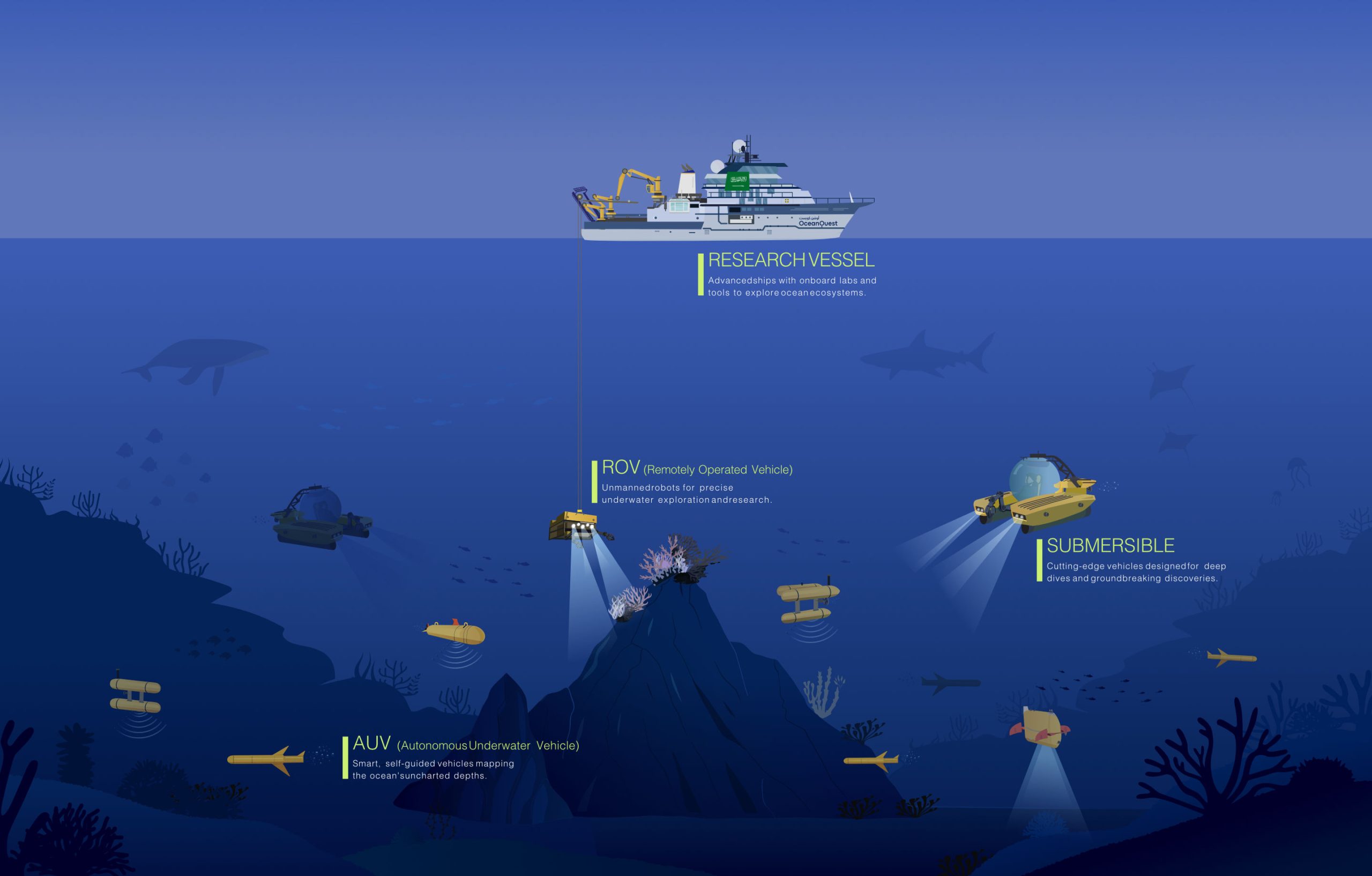
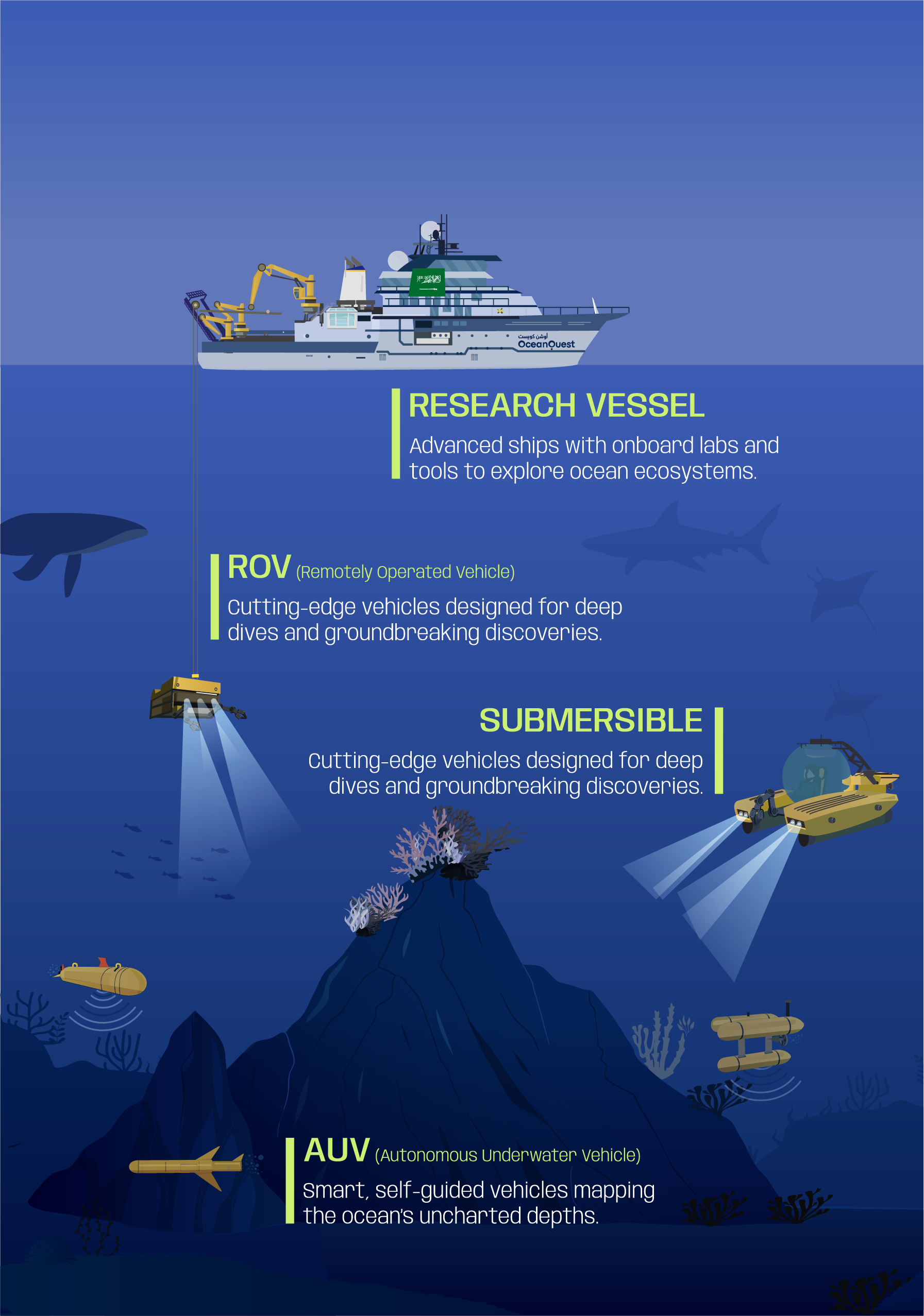
Cutting-edge technology helps overcome the deep ocean’s extreme conditions and uncover its secrets. Engineering and robotics are making groundbreaking discoveries possible:
In the gleaming world of modern smartphones, we are told that everything is sealed, secure, and serialized. If your $1,000 glass slab dies, the official answer is usually a shrug: “Motherboard replacement. Data lost.”
To an antivirus that expects polite, signed Microsoft traffic, a Z3X driver looks exactly like a ransomware gang trying to flash a malicious bootloader. The difference between a repair technician and a hacker is, ironically, just the intent. Let me paint you a picture. A Samsung Galaxy S21 fell into a pool. The owner dried it, tried to charge it, and now it is a brick. The CPU is fine, but the "bootloader" (the phone’s BIOS) is corrupted.
It is ugly. It is dangerous. It is flagged by every antivirus on earth.
For Z3X, the driver is a . Z3X is a commercial box (hardware dongle) paired with software designed for one purpose: low-level factory access to Samsung phones, and later, LG, Qualcomm, and MediaTek chipsets.

Known as “Her Deepness,” she has led over 100 expeditions and is a global advocate for ocean conservation.
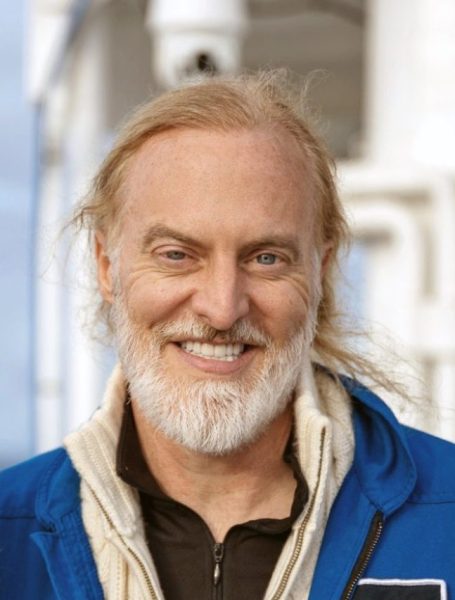
An adventurer and businessman who has dived to the deepest points in all five oceans. z3x driver

A globally renowned oceanographer based in Saudi Arabia, Dr. Duarte leads groundbreaking research on ocean sustainability and marine ecosystems. His work is critical for understanding the impact of climate change on marine life In the gleaming world of modern smartphones, we

A microbiologist focused on coral reef conservation, Dr. Peixoto explores how microbial communities can help protect marine ecosystems under threat from climate change. The difference between a repair technician and a