Arsha Vidya Pitham, Saylorsburg, PA

Whipping Day At Table Mountain Fix -

Students of cultural anthropology, fans of slow-burn historical horror (think The Witch meets The Act of Killing ), and anyone fascinated by how societies codify punishment.

Whipping Day at Table Mountain leaves you unsettled and thoughtful. It doesn’t excuse the past, but it forces you to sit with the question of what happens when justice is written not in law books, but on human skin. Just don’t expect to feel clean afterward. whipping day at table mountain

Whipping Day at Table Mountain – A Raw, Unflinching Look at a Forgotten Ritual Just don’t expect to feel clean afterward

The middle third sags under academic voiceover that explains the economic and religious roots of Whipping Day. While informative, it robs the ritual of some of its haunting ambiguity. Also, a modern framing device (a present-day hiker stumbling upon old photographs) feels tacked on and unnecessary. Also, a modern framing device (a present-day hiker

Whipping Day at Table Mountain is not an easy watch, nor is it meant to be. Directed with stark intimacy by [fictional director name, if needed], this documentary/drama hybrid resurrects a little-known annual tradition from the early 20th century, when residents of the small town at the base of Table Mountain would gather for a brutal public accounting of debts, grudges, and community wrongs—settled by ritualized flogging.
whipping day at table mountain

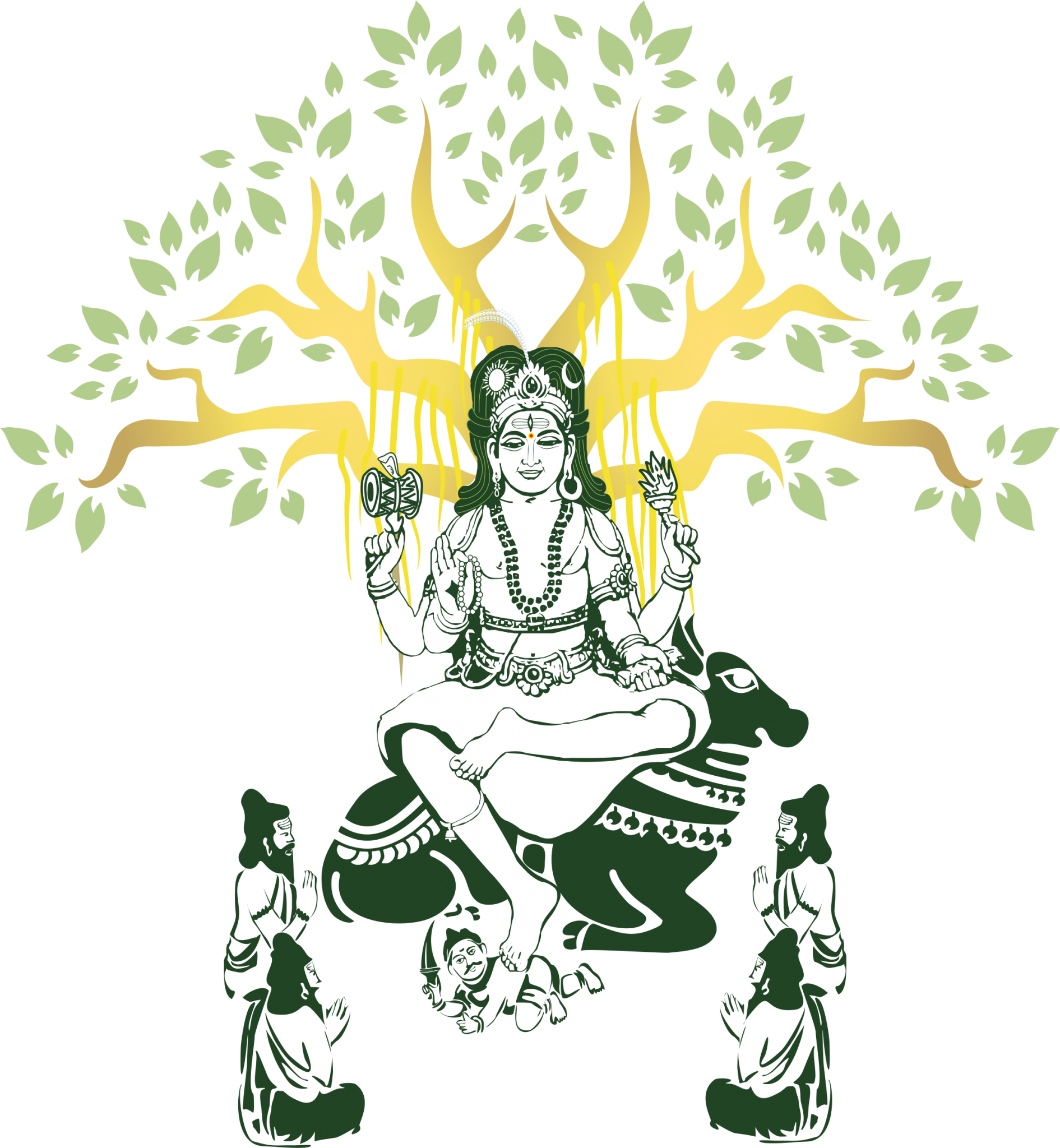
Lord Daksinamurti

Students of cultural anthropology, fans of slow-burn historical horror (think The Witch meets The Act of Killing ), and anyone fascinated by how societies codify punishment.

Whipping Day at Table Mountain leaves you unsettled and thoughtful. It doesn’t excuse the past, but it forces you to sit with the question of what happens when justice is written not in law books, but on human skin. Just don’t expect to feel clean afterward.

Whipping Day at Table Mountain – A Raw, Unflinching Look at a Forgotten Ritual

The middle third sags under academic voiceover that explains the economic and religious roots of Whipping Day. While informative, it robs the ritual of some of its haunting ambiguity. Also, a modern framing device (a present-day hiker stumbling upon old photographs) feels tacked on and unnecessary.

Whipping Day at Table Mountain is not an easy watch, nor is it meant to be. Directed with stark intimacy by [fictional director name, if needed], this documentary/drama hybrid resurrects a little-known annual tradition from the early 20th century, when residents of the small town at the base of Table Mountain would gather for a brutal public accounting of debts, grudges, and community wrongs—settled by ritualized flogging.

whipping day at table mountain

Arsha Vidya Gurukulam was founded in 1986 by Pujya Sri Swami Dayananda Saraswati. In Swamiji’s own words,

“When I accepted the request of many people I know to start a gurukulam, I had a vision of how it should be. I visualized the gurukulam as a place where spiritual seekers can reside and learn through Vedanta courses. . . And I wanted the gurukulam to offer educational programs for children in values, attitudes, and forms of prayer and worship. When I look back now, I see all these aspects of my vision taking shape or already accomplished. With the facility now fully functional, . . . I envision its further unfoldment to serve more and more people.”

Ārṣa (arsha) means belonging to the ṛṣis or seers; vidyā means knowledge. Guru means teacher and kulam is a family.  In traditional Indian studies, even today, a student resides in the home of this teacher for the period of study. Thus, gurukulam has come to mean a place of learning. Arsha Vidya Gurukulam is a place of learning the knowledge of the ṛṣis.

The traditional study of Vedanta and auxiliary disciplines are offered at the Gurukulam. Vedanta mean end (anta) of the Veda, the sourcebook for spiritual knowledge.  Though preserved in the Veda, this wisdom is relevant to people in all cultures, at all times. The vision that Vedanta unfolds is that the reality of the self, the world, and God is one non-dual consciousness that both transcends and is the essence of everything. Knowing this, one is free from all struggle based on a sense of inadequacy.

The vision and method of its unfoldment has been carefully preserved through the ages, so that what is taught today at the Gurukulam is identical to what was revealed by the ṛṣis in the Vedas.