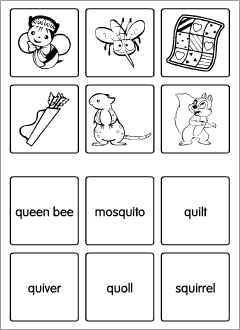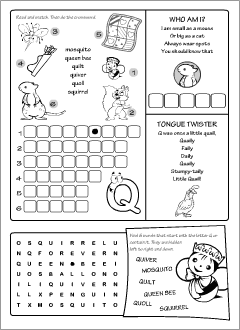

I am Queen Bee.
And this is the letter Q.
Click on me to hear the sound.
The etymology is telling. Kathoey derives from the Khmer word for "someone whose nature has changed." Not "broken." Not "confused." Changed. This is a culture that, for centuries, has understood that the soul does not always align with the vessel. Long before the DSM-V or gender studies departments, Thai Buddhism and animist traditions made room for the phet tee sam —the third gender. The kathoey is not an outlier; she is a recognized category, woven into the fabric of village life, temple fairs, and even the cosmetics counters of Siam Paragon.
Watch her walk through the morning market. She is tall, her shoulders a memory of a form she has softened with hormones and will. Her movements are a study in precision—the tilt of the chin, the flick of the wrist as she selects mangoes. She is fiercely visible. Yet that visibility comes with a price tag invisible to the tourist. She lives in a space of profound legal limbo. Thailand is famous for its tolerance, but not yet for its legal protection. A kathoey cannot change her ID card. The police, when they stop her for a minor infraction, will still call her "he." The family who loves her may still ask her to sit at the back of the family shrine during Buddhist holidays. thailand kathoeys
The kathoey is not a spectacle. She is a testament. And in her high, cascading laughter, you can hear the sound of a soul that refused to be a single note. The etymology is telling
Consider the ritual of the kathoey at the temple. On Visakha Bucha Day, she will offer alms to the monks, her hands pressed together in a wai so deep her forehead touches her thumbs. She cannot become a monk herself—the sangha (monastic order) still bars those who are not biologically male. So she orbits the sacred, close enough to feel its warmth, but forever outside the gates. It is the most ancient of spiritual positions: the devoted outsider. Long before the DSM-V or gender studies departments,