Practical Medicine for Students & Practitioners

The book has stood the test of time through over nearly 40 years and 20 earlier editions.It is with great pride that we present the twenty-first edition of P.J. Mehta’s Practical Medicine. The book has stood the test of time through over nearly 40 years and 20 earlier editions.

team meeting
Distributor

Distributor

THE NATIONAL BOOK DEPOT

Opp. Wadia Children’s Hospital, Parel, Mumbai - 400 012.
Tel.: 2416 5274 / 2413 1362 | Fax : 22-24130877
Email :

Contact

Contact Us

Dr. Nihar Mehta

Hari Bhavan, 64 Peddar Road, Mumbai - 400 026.
Mobile : +91-9819139900
Email :

Stickmaschine Coole Bertha -

This essay is designed to be useful for someone researching textile history, industrial machinery, or German engineering slang. In the annals of industrial history, machinery is often remembered by its model numbers or patent dates. Yet, occasionally, a piece of equipment earns a nickname that captures its personality, power, and impact. In German textile manufacturing, particularly in the Swabian regions of Baden-Württemberg, the "Stickmaschine Coole Bertha" (Cool Bertha Embroidery Machine) is one such legend. While not a single, specific patented model from a major manufacturer like Saurer or ZSK, "Coole Bertha" represents a class of high-speed, multi-needle, computer-controlled embroidery machines from the late 20th century that transformed the industry. This essay explores the technical evolution, cultural impact, and practical legacy of this archetypal machine. The Technical Genesis: From Manual Labor to Digital Precision To understand why "Bertha" was considered "cool," one must look at her predecessors. Traditional Schiffli embroidery machines, invented in the 1860s, were massive, lumbering behemoths—often spanning over 15 meters in length—that used a boat-shaped shuttle (Schiffchen) to create continuous thread chains. These machines required skilled operators to punch paper tape (Jacquard cards) and could take hours to change a design.

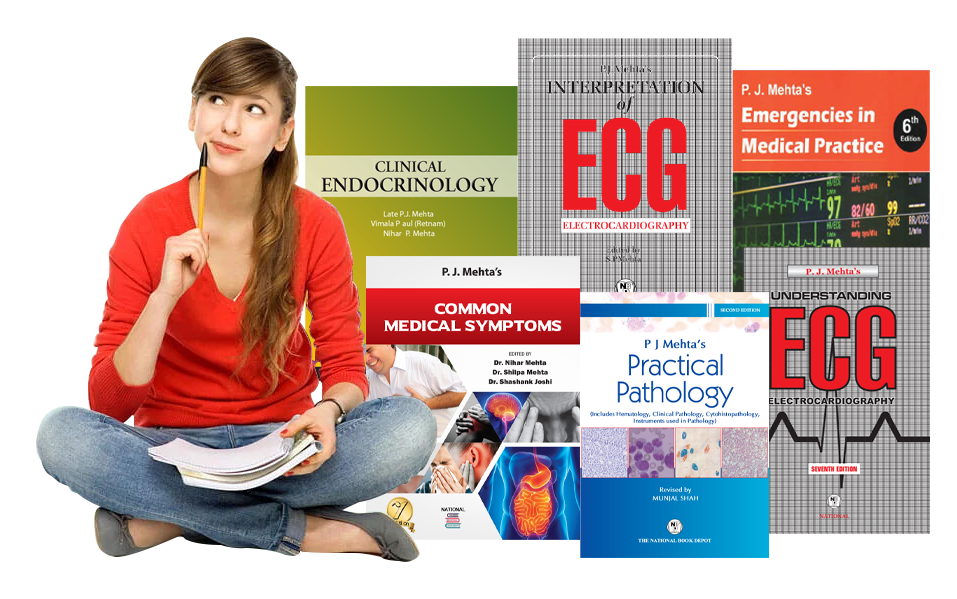
Our Other Publications