In well-written guides on positive discipline (e.g., the work of Dr. Jane Nelsen or Alfie Kohn, albeit with caution on physical punishment), the spank is often replaced by a logical consequence, but the emotional rhythm remains: a firm "no" followed by a warm reconnection. The smile comes after the lesson, not before it. This sequence teaches resilience, not fear.
Reading through forums, memoirs, and essays tagged with this phrase, I noticed a recurring truth: the most moving stories are not about the spank itself, but about what happens after . The smile that breaks through tears. The hug that says we are still us . The shared laughter over a remembered mistake.
Where the theme fails—dangerously—is when the smile is used to mask the spank. Abusive dynamics often feature a smiling perpetrator who minimizes harm: This hurts me more than it hurts you. Authentic "smiles and spanks" require transparency, consent (when adults are involved), and an absence of humiliation. For children, most modern pediatric and psychological bodies advise against physical punishment entirely, noting that the smile afterward cannot undo the message of fear.
★★★★☆ One spank deducted for the risk of misuse in unskilled hands. But when done with care, communication, and context? The smiles win.
At first glance, the pairing of smiles and spanks feels contradictory—one an emblem of warmth, approval, and joy; the other a sharp, stinging act of correction or punishment. Yet, when explored as a thematic duo, they reveal a profound tension at the heart of human relationships: the balance between consequence and compassion, structure and spontaneity, authority and affection.
In erotic or kink-adjacent literature (from The Story of O to modern romance novels like those by Tiffany Reisz), "smiles and spanks" takes on a consensual, ritualized power exchange. Here, the smile signals trust, aftercare, and mutual pleasure—the spank is a shared language of intensity, not violence. The review of such works often praises the communication that makes both possible.
In the end, "smiles and spanks" is not a technique—it’s a philosophy of relational honesty. It asks: Can you hold someone accountable and still look at them with love? Can you receive correction without losing your joy? When the answer is yes, the paradox becomes a dance.
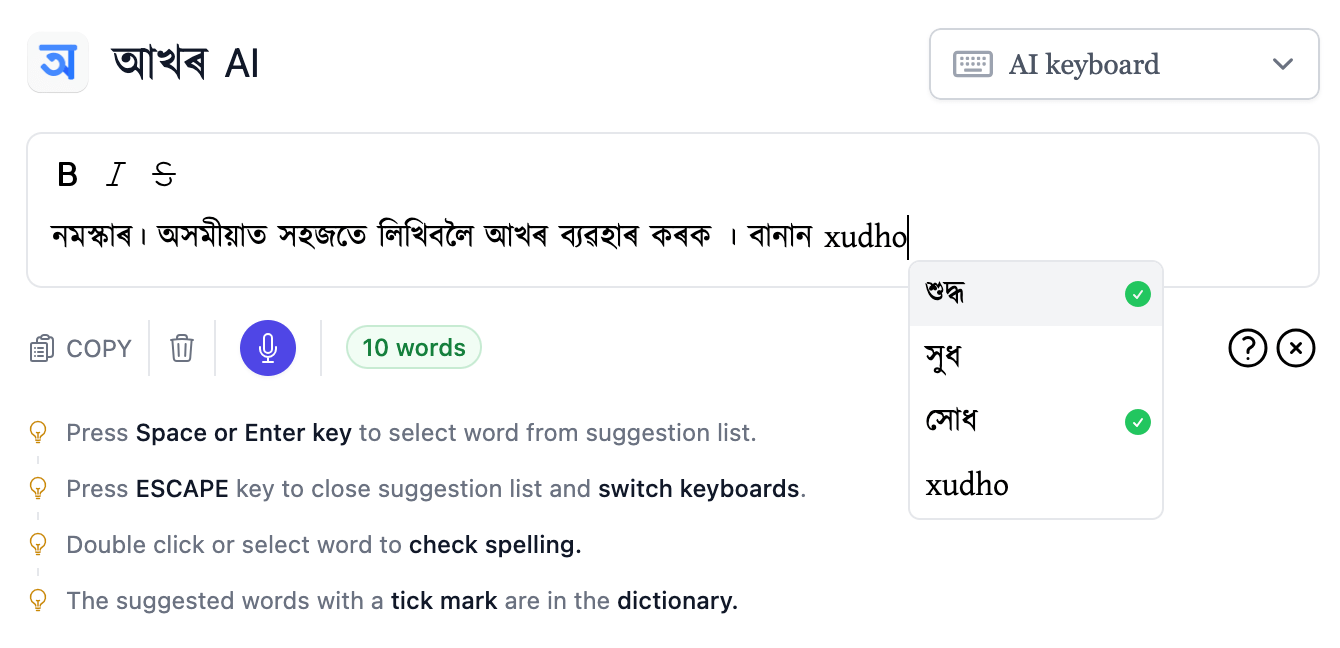
Experience the power of our AI-powered keyboard. Type Assamese faster than ever, even if you don't know the script!
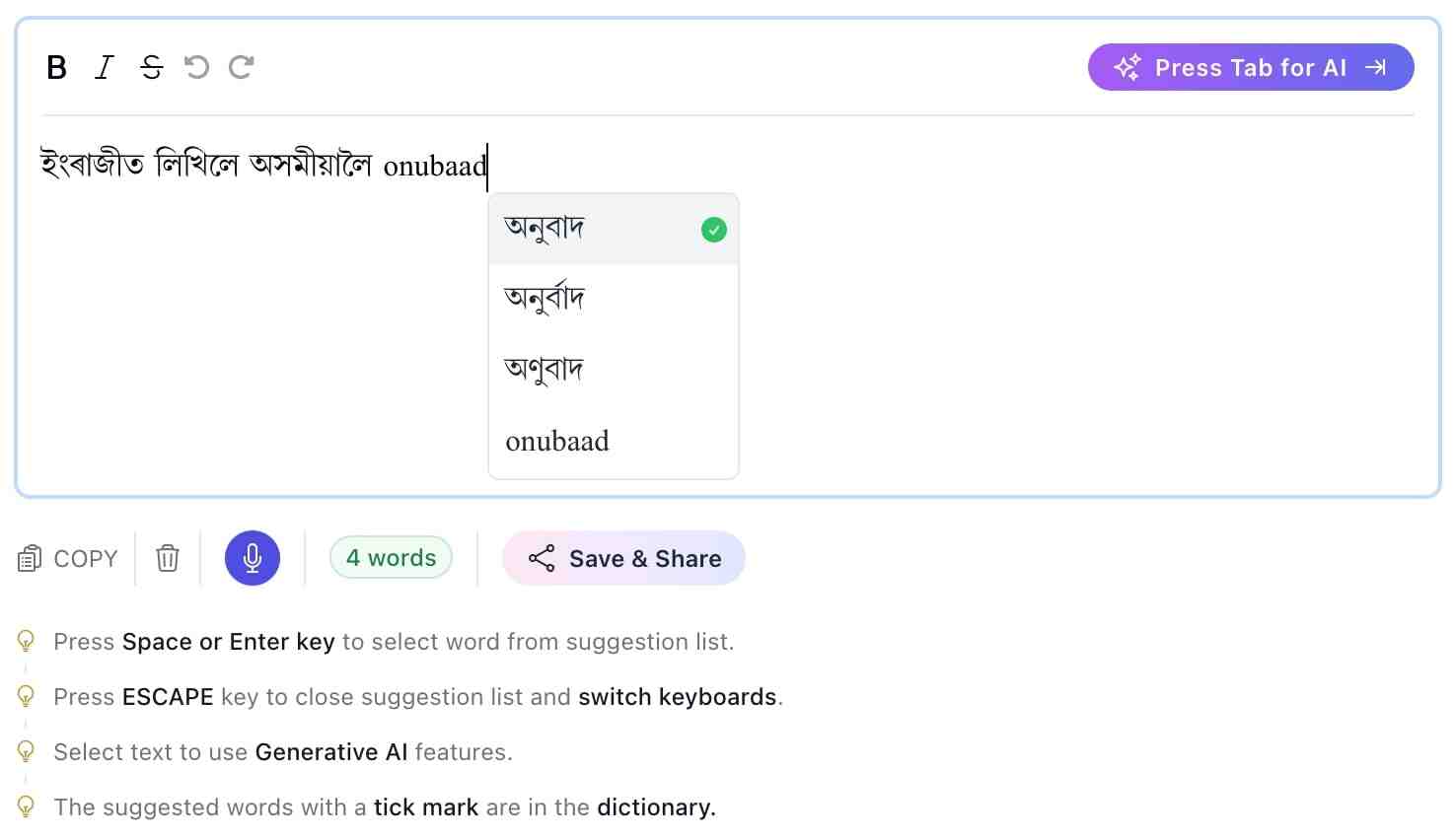
Type Assamese words using English letters and get instant Assamese result.
Get real-time spelling corrections as you type for error-free writing.
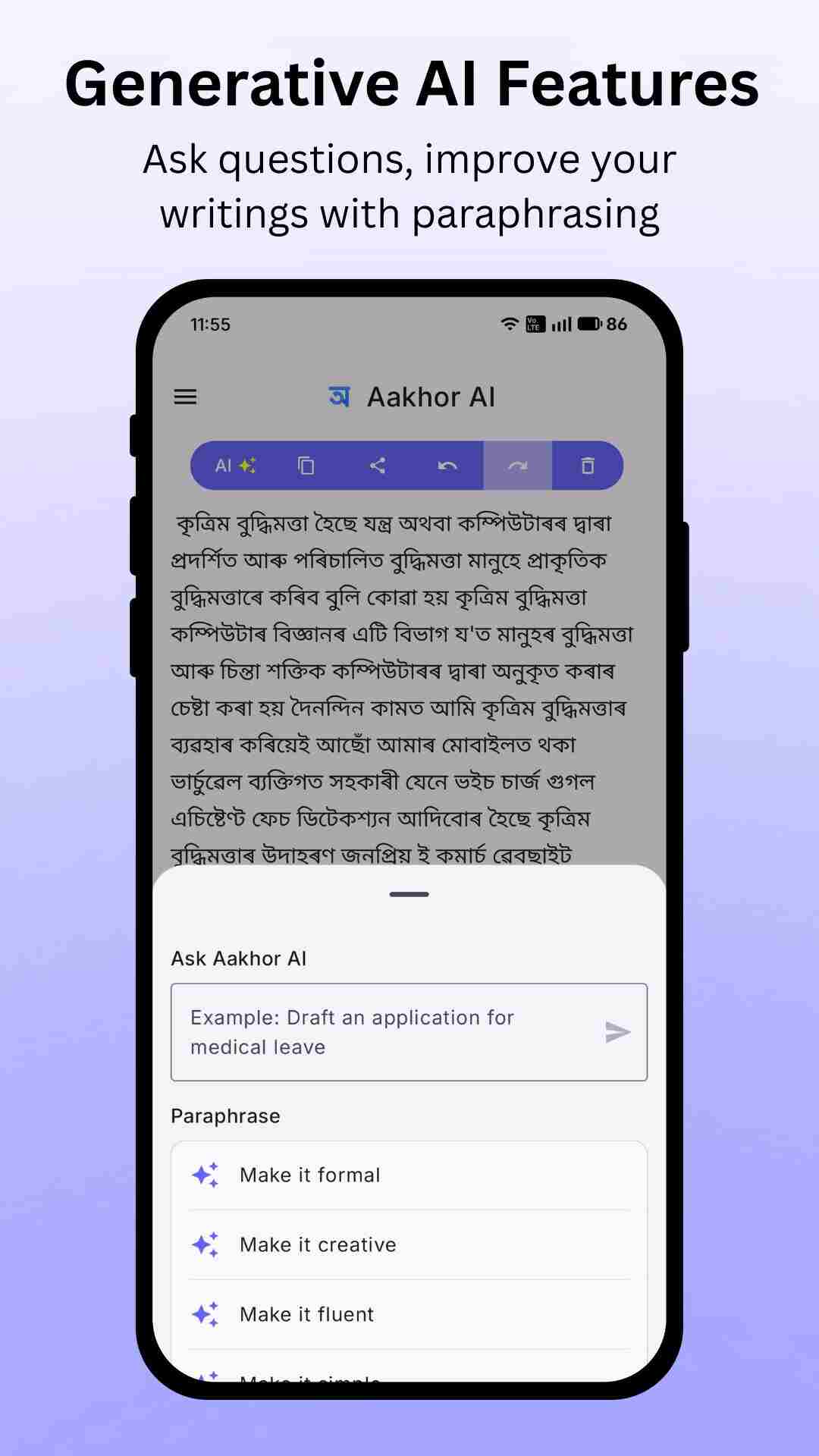
Choose from smart AI suggestions to speed up your typing and improve accuracy.
No prior experience needed. Start writing Assamese in minutes!
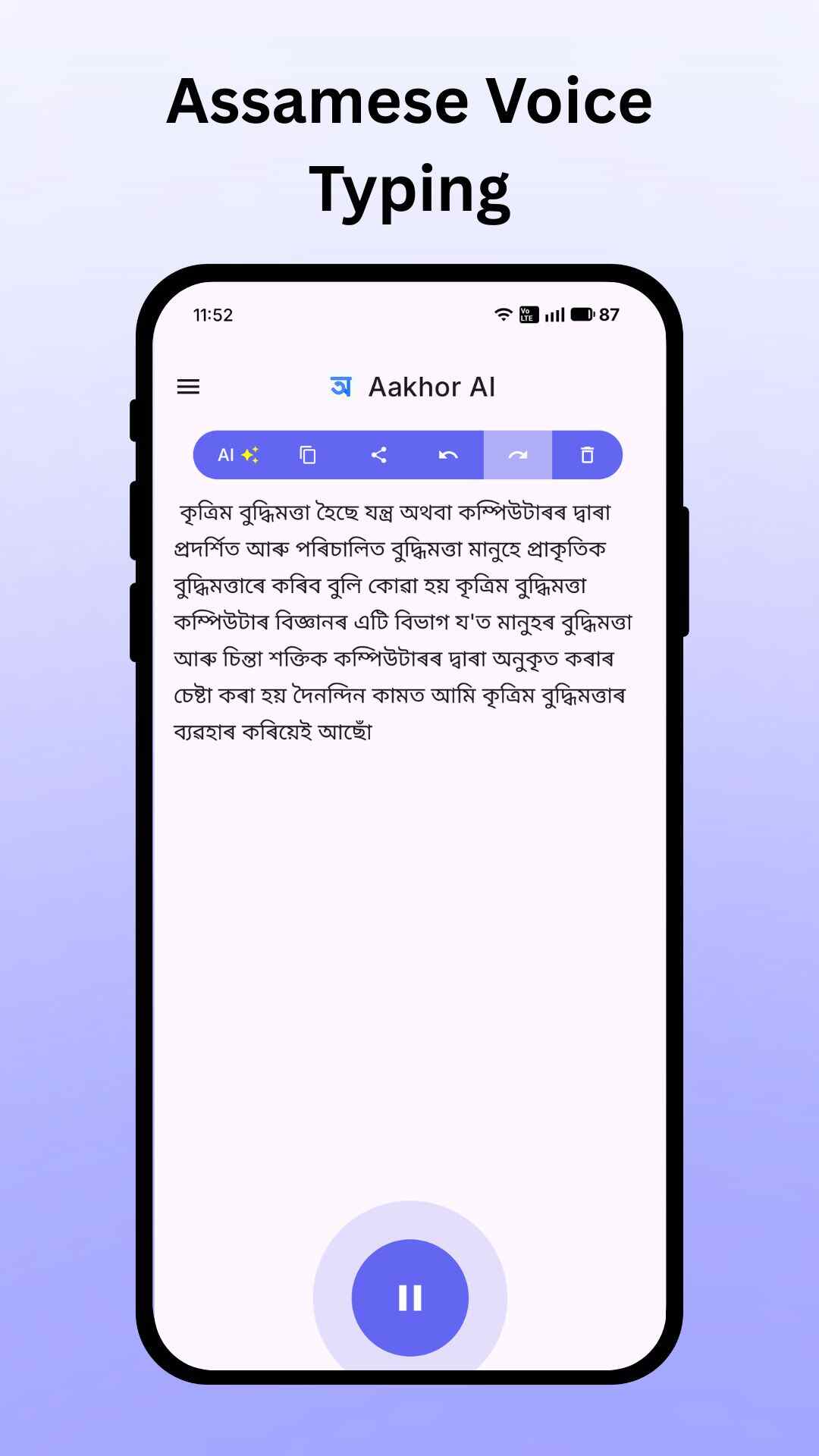
Type Assamese effortlessly by speaking. Our AI voice typing feature converts your speech to Assamese text in real time, making writing faster and more accessible for everyone.
Use Audiorelay mobile app to use your phone as a microphone for desktop
Experience seamless Assamese typing on your phone with our AI-powered mobile app. Enjoy voice typing and smart suggestions for a faster, easier writing experience.
Speak and see Assamese text appear instantly—no typing needed.
Get instant word suggestions as you type for faster, error-free writing.
Get advantage of our all-in-one toolkit
Save important thoughts instantly and access them from anywhere.
Easily share your notes with anyone.
Find word meanings, synonyms, and usage with our smart dictionary.
Utilize the power of our tools right from your browser.
Trained on millions of Assamese words, Aakhor AI lets you write blazing fast, even with zero typing experience.
In well-written guides on positive discipline (e.g., the work of Dr. Jane Nelsen or Alfie Kohn, albeit with caution on physical punishment), the spank is often replaced by a logical consequence, but the emotional rhythm remains: a firm "no" followed by a warm reconnection. The smile comes after the lesson, not before it. This sequence teaches resilience, not fear.
Reading through forums, memoirs, and essays tagged with this phrase, I noticed a recurring truth: the most moving stories are not about the spank itself, but about what happens after . The smile that breaks through tears. The hug that says we are still us . The shared laughter over a remembered mistake. smiles and spanks
Where the theme fails—dangerously—is when the smile is used to mask the spank. Abusive dynamics often feature a smiling perpetrator who minimizes harm: This hurts me more than it hurts you. Authentic "smiles and spanks" require transparency, consent (when adults are involved), and an absence of humiliation. For children, most modern pediatric and psychological bodies advise against physical punishment entirely, noting that the smile afterward cannot undo the message of fear.
★★★★☆ One spank deducted for the risk of misuse in unskilled hands. But when done with care, communication, and context? The smiles win. In well-written guides on positive discipline (e
At first glance, the pairing of smiles and spanks feels contradictory—one an emblem of warmth, approval, and joy; the other a sharp, stinging act of correction or punishment. Yet, when explored as a thematic duo, they reveal a profound tension at the heart of human relationships: the balance between consequence and compassion, structure and spontaneity, authority and affection.
In erotic or kink-adjacent literature (from The Story of O to modern romance novels like those by Tiffany Reisz), "smiles and spanks" takes on a consensual, ritualized power exchange. Here, the smile signals trust, aftercare, and mutual pleasure—the spank is a shared language of intensity, not violence. The review of such works often praises the communication that makes both possible. This sequence teaches resilience, not fear
In the end, "smiles and spanks" is not a technique—it’s a philosophy of relational honesty. It asks: Can you hold someone accountable and still look at them with love? Can you receive correction without losing your joy? When the answer is yes, the paradox becomes a dance.
Contact us for enterprise level solutions
Contact us