
We Uses Cookies
This website uses cookies to enhance
your browsing experience.
We Uses Cookies
This website uses cookies to enhance
your browsing experience.
Celebrity bakers took note. Christina Tosi of Milk Bar called it "the most punk rock thing to happen to sugar since the cronut." In London, a pop-up sold "Depression-Era Rebel Ryders" made with stale coffee and beets, donating proceeds to food banks. Do not slice a Rebel Ryder. That implies control. Instead, you breach it. Hand your guests a fork (or a spoon, or just their hands). Let them dig directly into the shatter zone. Expect crumbs on the floor. Expect sticky fingers. Do not apologize.
In the hallowed, flour-dusted halls of classic baking, names like Victoria, Pavlova, and Sacher reign supreme. These are cakes of poise, symmetry, and gentle manners. They demand a steady hand, a level crumb, and a dusting of powdered sugar so fine it looks like morning frost. rebel rhyder cake
Just remember: The bakery police aren't coming. And if they do? Tell them the Rebel sent you. Celebrity bakers took note
The result was ugly. It was lopsided. It was angry . That implies control
It celebrated the wobbly, the burnt edge, the broken piece of honeycomb. It told perfectionists: Your cake doesn’t have to be pretty to be powerful.
If you haven’t heard of it, don’t check your grandmother’s recipe box—it won’t be there. The Rebel Ryder is a relatively new, gloriously chaotic creation that is less of a dessert and more of a manifesto. It is the cake that said "no" to the pastry brush and "yes" to the sledgehammer. Legend (and a few very messy TikTok archives) places the cake’s origin in a late-night bakery in Portland, Oregon, around 2019. Pastry chef Riley "Rebel" Ryder (a non-binary firebrand with a tattoo of a whisk breaking a chain) was fed up.
Celebrity bakers took note. Christina Tosi of Milk Bar called it "the most punk rock thing to happen to sugar since the cronut." In London, a pop-up sold "Depression-Era Rebel Ryders" made with stale coffee and beets, donating proceeds to food banks. Do not slice a Rebel Ryder. That implies control. Instead, you breach it. Hand your guests a fork (or a spoon, or just their hands). Let them dig directly into the shatter zone. Expect crumbs on the floor. Expect sticky fingers. Do not apologize.
In the hallowed, flour-dusted halls of classic baking, names like Victoria, Pavlova, and Sacher reign supreme. These are cakes of poise, symmetry, and gentle manners. They demand a steady hand, a level crumb, and a dusting of powdered sugar so fine it looks like morning frost.
Just remember: The bakery police aren't coming. And if they do? Tell them the Rebel sent you.
The result was ugly. It was lopsided. It was angry .
It celebrated the wobbly, the burnt edge, the broken piece of honeycomb. It told perfectionists: Your cake doesn’t have to be pretty to be powerful.
If you haven’t heard of it, don’t check your grandmother’s recipe box—it won’t be there. The Rebel Ryder is a relatively new, gloriously chaotic creation that is less of a dessert and more of a manifesto. It is the cake that said "no" to the pastry brush and "yes" to the sledgehammer. Legend (and a few very messy TikTok archives) places the cake’s origin in a late-night bakery in Portland, Oregon, around 2019. Pastry chef Riley "Rebel" Ryder (a non-binary firebrand with a tattoo of a whisk breaking a chain) was fed up.
About JVG Electronics
Thankyou for contacting us.
We deals in all types of video games, consoles and its accessories.
We provide genuine produts.
You can say a complete shop of gaming available at one place.
JVG ELECTRONICS Since 2005
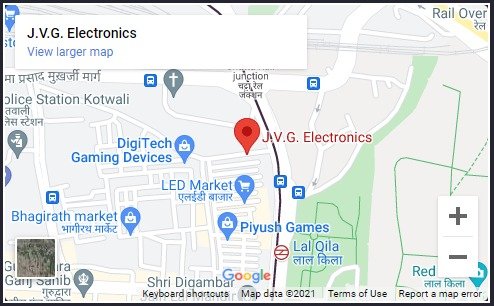
JVG ELECTRONICS Stall no.-32A More sarai road, Old lajpat rai market, Chandni chowk, Near Lal quila metro station gate no.-2 Delhi - 110006
,
,
,
Pay Using





Download Our App
%!s(int=2026) © %!d(string=Pioneer Stage)
