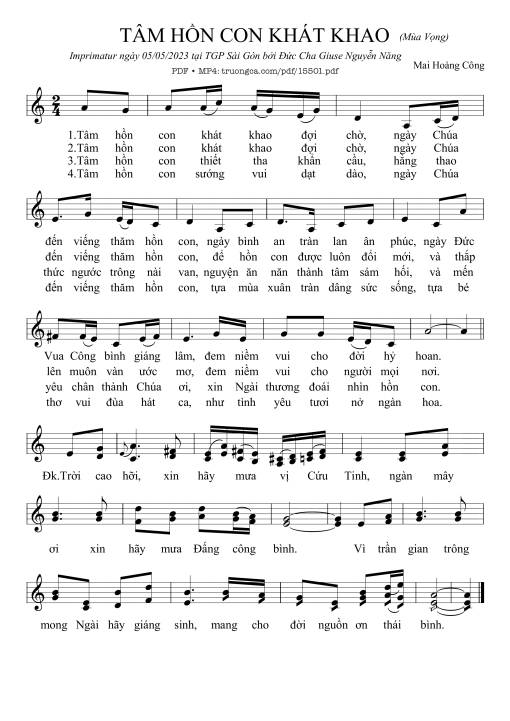
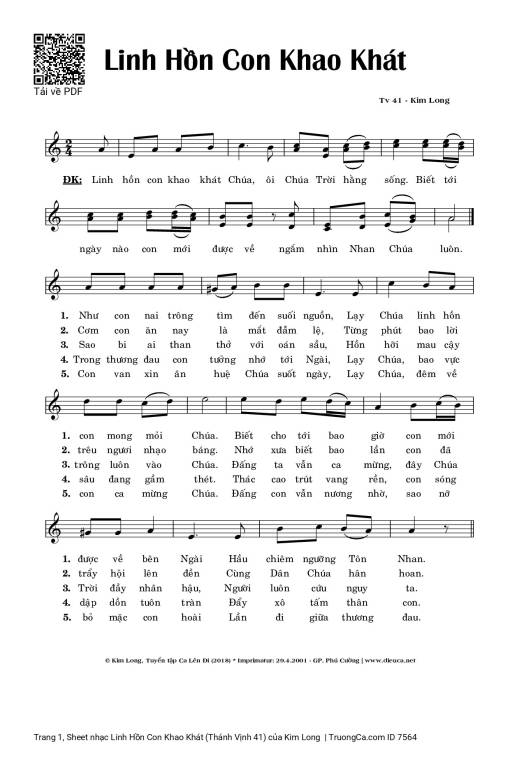
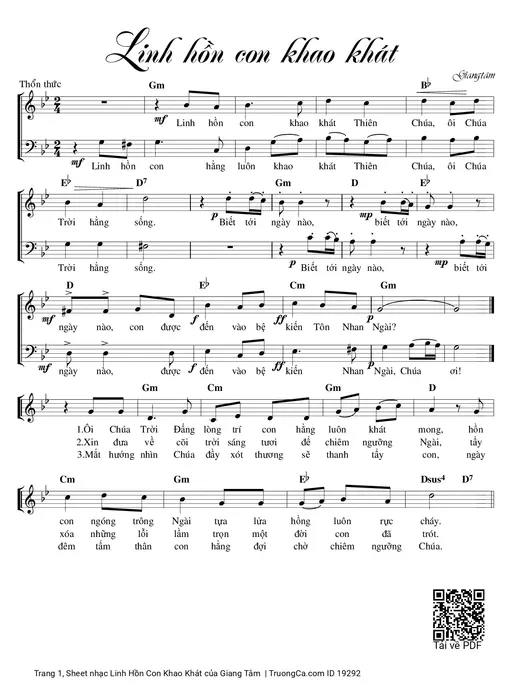
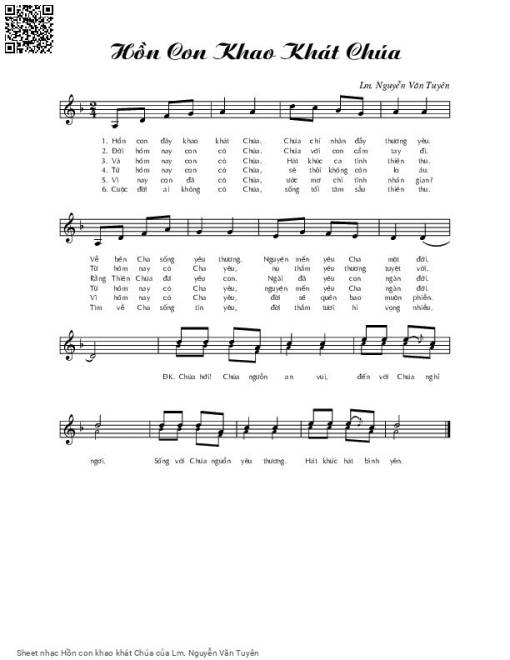
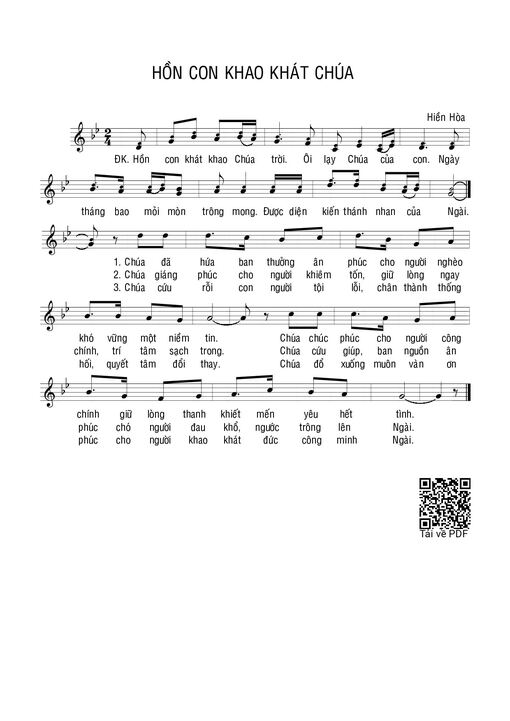
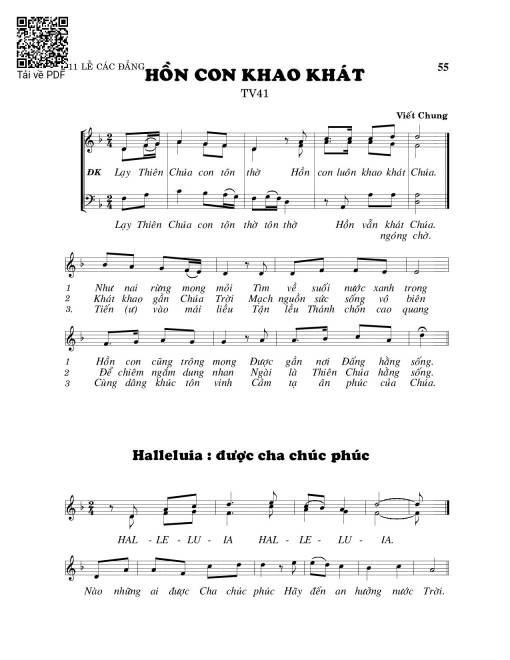
Sheet nhạc có nốt Hồn con khao khát (Thánh Vịnh 41) của nhạc sĩ Viết Chung và file PDF nốt nhạc đăng lên đây nhằm giúp các bạn xướng âm cho đúng nốt và hát thêm hay, chỉ mang tính chất tham khảo, không có mục đích thương mại. Bản quyền thuộc về tác giả và tổ chức nắm bản quyền, Truongca.com không giữ bất kỳ bản quyền của nội dung nào cả. Các bạn có thể tải về bản PDF chất lượng cao, gồm khuông nhạc có nốt với đường link file PDF bên trên.
Chọn nút dấu + để tăng tông lên nửa cung, nút dấu - để giảm tông xuống nửa cung. Rê chuột vào hợp âm để xem các thế bấm hợp âm của bài hát Hồn con khao khát (Thánh Vịnh 41).
Mặc định là thế bấm hợp âm của Guitar, hãy click vào nhạc cụ [guitar] để đổi sang xem thế bấm hợp âm cho nhạc cụ Ukulele hoặc hợp âm Piano.
In the rich tapestry of Indian family traditions, few relationships are as cherished and uniquely celebrated as that of the maternal aunt—affectionately known as Pinni (Telugu), Mami (Tamil), or Masi (Hindi). The phrase "Pinni Ni Denganu" refers to the heartfelt practice of offering a formal gift or token of respect to one’s maternal aunt, symbolizing gratitude, protection, and enduring family unity. What is "Pinni Ni Denganu"? Literally translating to "giving to the maternal aunt," Pinni Ni Denganu is more than a mere exchange of presents. It is a ceremonial acknowledgment of the aunt’s role as a second mother, a confidante, and a pillar of emotional support. Traditionally observed during weddings, milestone birthdays, or annual festivals like Sankranti or Diwali , this custom involves the nephew or niece presenting their Pinni with a symbolic offering—often a piece of clothing, jewelry, fruit, or money. The Ritual and Its Significance The ceremony is typically simple yet profound. The younger family member touches the feet of their Pinni (a gesture of respect), and in return, offers the gift. The aunt then blesses them with wishes for health, prosperity, and a happy married life.