Beyond entertainment, Oddcast served a vital, if less celebrated, role in accessibility. For individuals with visual impairments, reading difficulties, or speech disabilities, the ability to convert any webpage text into audible speech was empowering. While dedicated screen readers like JAWS existed, they were expensive and complex. Oddcast’s web widget offered a lightweight, free alternative for short-form text. Language learners also used it to hear correct pronunciations in foreign tongues, and educators embedded it into e-learning modules to cater to auditory learners. In this sense, Oddcast was a practical tool that quietly anticipated the mainstream adoption of voice interfaces like Siri and Alexa.
At its core, Oddcast was a software-as-a-service (SaaS) platform that converted written text into spoken audio. Launched in the early 2000s, its flagship product was the “Oddcast TTS Widget,” a Flash-based embeddable tool that allowed any website owner to add a speaking character—or simply a voice—to their page. Unlike the dry, monolithic system voices of Windows (like Microsoft Sam), Oddcast offered a variety of voices, languages, and even emotional inflections. Voices like “Paul” (American English), “Julie,” and the iconic British “Daniel” became instantly recognizable to anyone who spent time on personalized greeting card sites, amateur animation portals like Newgrounds, or early social networks like MySpace. oddcast text to speech
In the history of the internet, certain technologies emerge not as revolutionary leaps, but as quirky, memorable bridges between eras. Oddcast Text to Speech (TTS) is a perfect example. Before the era of hyper-realistic, AI-generated voices like those from Amazon Polly, Google WaveNet, or ElevenLabs, there was Oddcast. For a generation of early content creators, meme-makers, and accessibility users, Oddcast’s signature robotic voices were the definitive sound of synthesized speech. More than just a utility, Oddcast TTS became a cultural artifact, representing both the promise and the uncanny limitations of early 2000s digital audio. Beyond entertainment, Oddcast served a vital, if less
Beyond entertainment, Oddcast served a vital, if less celebrated, role in accessibility. For individuals with visual impairments, reading difficulties, or speech disabilities, the ability to convert any webpage text into audible speech was empowering. While dedicated screen readers like JAWS existed, they were expensive and complex. Oddcast’s web widget offered a lightweight, free alternative for short-form text. Language learners also used it to hear correct pronunciations in foreign tongues, and educators embedded it into e-learning modules to cater to auditory learners. In this sense, Oddcast was a practical tool that quietly anticipated the mainstream adoption of voice interfaces like Siri and Alexa.
At its core, Oddcast was a software-as-a-service (SaaS) platform that converted written text into spoken audio. Launched in the early 2000s, its flagship product was the “Oddcast TTS Widget,” a Flash-based embeddable tool that allowed any website owner to add a speaking character—or simply a voice—to their page. Unlike the dry, monolithic system voices of Windows (like Microsoft Sam), Oddcast offered a variety of voices, languages, and even emotional inflections. Voices like “Paul” (American English), “Julie,” and the iconic British “Daniel” became instantly recognizable to anyone who spent time on personalized greeting card sites, amateur animation portals like Newgrounds, or early social networks like MySpace.
In the history of the internet, certain technologies emerge not as revolutionary leaps, but as quirky, memorable bridges between eras. Oddcast Text to Speech (TTS) is a perfect example. Before the era of hyper-realistic, AI-generated voices like those from Amazon Polly, Google WaveNet, or ElevenLabs, there was Oddcast. For a generation of early content creators, meme-makers, and accessibility users, Oddcast’s signature robotic voices were the definitive sound of synthesized speech. More than just a utility, Oddcast TTS became a cultural artifact, representing both the promise and the uncanny limitations of early 2000s digital audio.
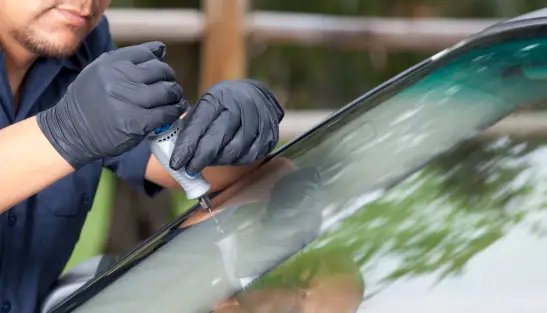
At Cityline Mobile Auto Glass, we're dedicated to providing top-notch auto glass repair and windshield replacement services. We're known for our reliability, efficiency, and professionalism, ensuring you get the best service possible. Our expert team specializes in a wide range of automobiles and uses only high-quality materials, guaranteeing the longevity of our work. What's more, we offer mobile repair services at no extra cost, bringing convenience right to your doorstep. We don't just fix your auto glass, we prioritize your vehicle's safety, making us a trustworthy choice for all your auto glass needs. So when you're in need, remember we're not just a service, we're a friend you can count on.
Bellflower, California, is a vibrant city situated in Los Angeles County, known for its rich demographic diversity and strong community spirit. As of my last update in April 2023, the city boasted a population of approximately 77,000 residents. Bellflower's demographic composition reflects a microcosm of California's multicultural tapestry, with a significant representation of Hispanic, Asian, and African American communities alongside its Caucasian residents. This diversity is mirrored in the city's cultural festivals, restaurants, and businesses, contributing to a rich, inclusive community atmosphere.
Geographically, Bellflower is located at latitude 33.8817° N and longitude -118.1170° W, offering easy access to the greater Los Angeles area and its numerous amenities. The city's spending capacity has been on an upward trend, supported by a growing economy and the development of local businesses that cater to a wide range of consumer needs and preferences.
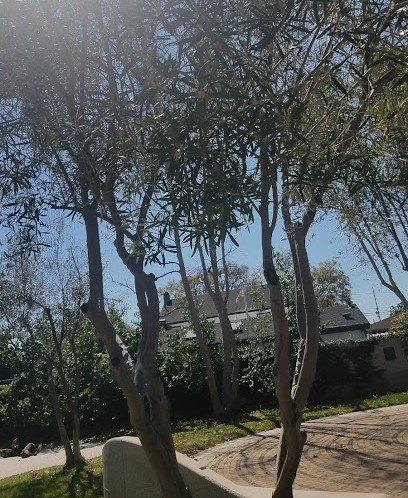
Points of interest in Bellflower include the Bellflower Bike Trail, a testament to the city's commitment to promoting a healthy lifestyle and sustainability. Additionally, the city's downtown area has seen significant revitalization efforts, aiming to boost local commerce and provide residents with high-quality dining and shopping experiences.
Recent developments in Bellflower have focused on enhancing the quality of life for its residents, with investments in public parks, community services, and infrastructure improvements. The city's strategic location and ongoing development projects make it an attractive place for both new residents and businesses, signaling a bright future ahead.
Reach out to us today for a free quote or consultation. For more personalized assistance, feel free to call us. Our dedicated customer service team is eager to answer your questions and help you navigate through our auto glass services.
https://www.citylinemobileautoglass.com/
555 E. Carson St. #128, Carson, CA 90745
Monday to Sunday 7 am - 9 pm