
Hong Kong
from mne_bids import write_anat write_anat(bids_root, subject='001', t1w_anat='sub-001_T1w.nii.gz') Assuming you have one evoked response per subject per condition:
return raw raw_clean = preprocess_raw(raw) 5. ICA for artifact removal (eye blinks, heartbeats) ica = mne.preprocessing.ICA(n_components=20, random_state=42) ica.fit(raw_clean.copy().filter(1, 30)) # ICA works better on high-passed Identify EOG artifacts eog_indices, eog_scores = ica.find_bads_eog(raw_clean, ch_name='Fp1') ica.exclude = eog_indices raw_clean = ica.apply(raw_clean) Step 4: Epoching and Baseline Correction Events are automatically read from *_events.tsv :
all_evoked_faces = [] all_evoked_cars = [] for sub in subject_list: bids_path = BIDSPath(subject=sub, task='visual', suffix='eeg', root=bids_root) raw = read_raw_bids(bids_path) # ... preprocessing (same as above) ... epochs = mne.Epochs(raw, events, event_id, tmin, tmax, baseline) all_evoked_faces.append(epochs['face'].average()) all_evoked_cars.append(epochs['car'].average()) X = [evoked.data for evoked in all_evoked_faces] # subjects x channels x times Y = [evoked.data for evoked in all_evoked_cars] Reshape to (n_subjects, n_channels, n_times) import numpy as np X = np.array(X) Y = np.array(Y) Threshold-free cluster enhancement (TFCE) or cluster-based permutation threshold = 2.0 # t-value threshold cluster_stats = mne.stats.permutation_cluster_test( [X, Y], threshold=threshold, n_permutations=1024, tail=0, # two-tailed n_jobs=-1, ) mne bids pipeline
# Read events from BIDS events, event_id = mne.events_from_annotations(raw_clean) selected_events = ['stimulus/face', 'stimulus/car'] event_id_sel = k: v for k, v in event_id.items() if k in selected_events Create epochs epochs = mne.Epochs( raw_clean, events, event_id=event_id_sel, tmin=-0.2, # 200 ms pre-stimulus tmax=0.8, # 800 ms post-stimulus baseline=(-0.2, 0), reject=dict(eeg=100e-6), # reject epochs with >100 µV peak-to-peak preload=True, ) Drop bad epochs automatically epochs.drop_bad() print(f"Retained len(epochs) / len(epochs.events) epochs") Step 5: Sensor-Level Analysis – Evoked Responses # Compute evoked for each condition evoked_face = epochs['stimulus/face'].average() evoked_car = epochs['stimulus/car'].average() Plot butterfly plot evoked_face.plot_joint(title='Face condition') Difference wave evoked_diff = mne.combine_evoked([evoked_face, evoked_car], weights=[1, -1]) evoked_diff.plot_joint(title='Face - Car')
src = mne.setup_source_space('sub-001', spacing='oct6', subjects_dir=subjects_dir) fwd = mne.make_forward_solution( raw.info, trans=None, src=src, bem=bem_sol, meg=False, eeg=True ) 4. Inverse operator (dSPM or MNE) inverse_operator = mne.minimum_norm.make_inverse_operator( epochs.info, fwd, cov, loose=0.2, depth=0.8 ) 5. Apply to evoked data stc = mne.minimum_norm.apply_inverse( evoked_face, inverse_operator, lambda2=1/9., method='dSPM' ) Plot on cortical surface stc.plot(subject='sub-001', subjects_dir=subjects_dir, initial_time=0.1) epochs = mne
import mne def preprocess_raw(raw, l_freq=0.1, h_freq=40, notch=50): """ Apply standard EEG preprocessing. Adjust parameters for MEG (e.g., high-pass 1 Hz, low-pass 100 Hz). """ # 1. Filter (bandpass) raw.filter(l_freq, h_freq, fir_design='firwin', verbose=True)
For group analysis, save evoked data in BIDS-derivatives: Adjust parameters for MEG (e
pip install mne mne-bids pybv from pathlib import Path import mne from mne_bids import BIDSPath, write_raw_bids, make_dataset_description Define your project root bids_root = Path('/path/to/your/bids_dataset') bids_root.mkdir(exist_ok=True) Create a dataset description (required for BIDS) make_dataset_description( path=bids_root, name="My MEG/EEG Study", authors=["Your Name", "Collaborator"], dataset_doi="", funding="Grant #", ) Define a subject and session subject_id = '001' session_id = '01' # optional task = 'visual' Convert a single raw file (e.g., BrainVision .vhdr) raw_path = Path('/raw_data/sub-001/session_1/eeg.vhdr') bids_path = BIDSPath( subject=subject_id, session=session_id, task=task, suffix='eeg', root=bids_root, ) Write to BIDS (copies and anonymizes) raw = mne.io.read_raw_brainvision(raw_path, preload=False) write_raw_bids( raw, bids_path, overwrite=False, verbose=True, )
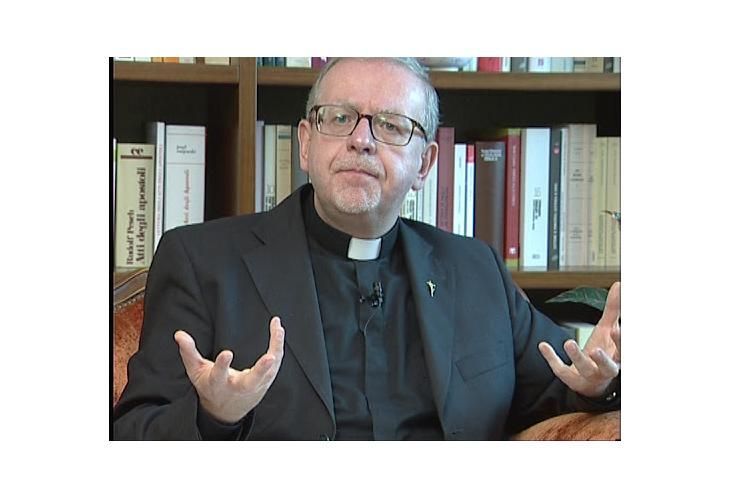
Don Claudio Doglio, erudito bíblico y teólogo experto, nació en Savona el 18 de marzo de 1959. Ha publicado varios artículos y estudios bíblicos, en particular sobre lo apocalíptico y el Apocalipsis de Juan.
Hong Kong