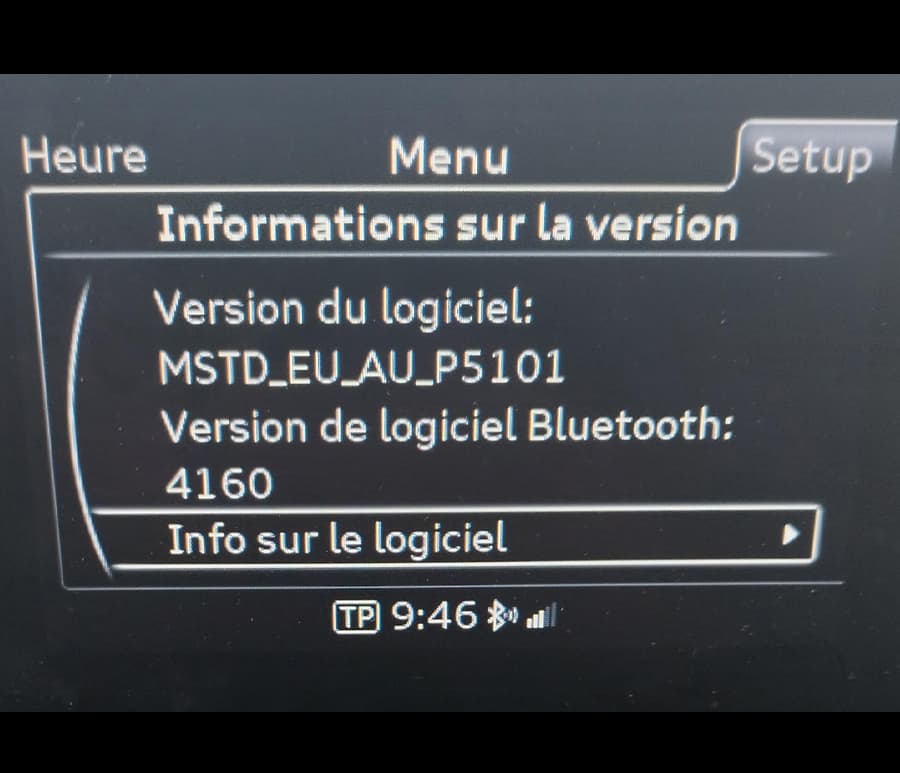
Audi MIB1 MSTD_EU_AU_P5101 Europe Software Update
€38.80
If you’ve ever sat in a coffee shop, airport lounge, or hotel lobby, you’ve met the . You know the one: that little pop-up window that asks for your room number, a social media login, or forces you to watch an ad before you can check your email.
Learn to spot a fake portal (typos in the URL, no HTTPS) before entering personal data. For Builders: Remember that the best Hotspot WebUI is the one that gets the user connected in two clicks or less. hotspot webui
Most portals have a logout button hidden in the settings or at a specific IP address (like 1.0.0.0 or logout.com ). If you are using a shared computer, never just close the laptop. Use the WebUI logout to instantly sever the session and prevent the next user from hijacking your credentials. If you’ve ever sat in a coffee shop,
Behind that simple interface lies one of the most powerful—and often overlooked—tools in modern networking. Whether you are a business owner, a frequent traveler, or a homelab enthusiast, understanding the Hotspot WebUI changes how you see public Wi-Fi. Technically, it is a Captive Portal . In plain English, it is a software dashboard that intercepts your internet request until you perform a specific action. For Builders: Remember that the best Hotspot WebUI
Many commercial hotspots (especially free ones) use the WebUI to inject JavaScript into your pages or sell your browsing data to advertisers. If the WebUI asks for an email address, assume you are signing up for a newsletter. If it asks for a phone number, assume you will get SMS ads.
But have you ever stopped to look up from the "Connect" button?
€38.80