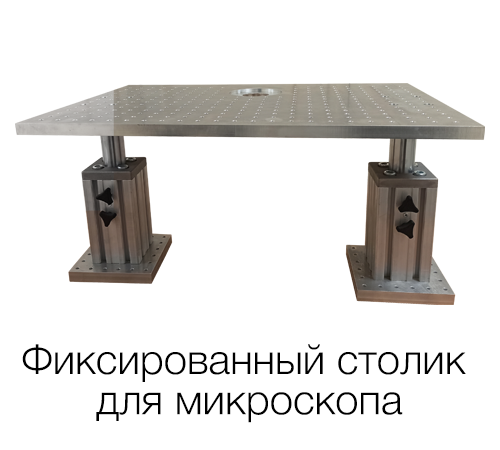
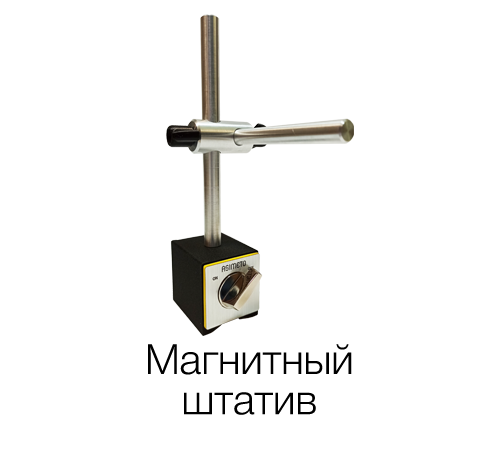
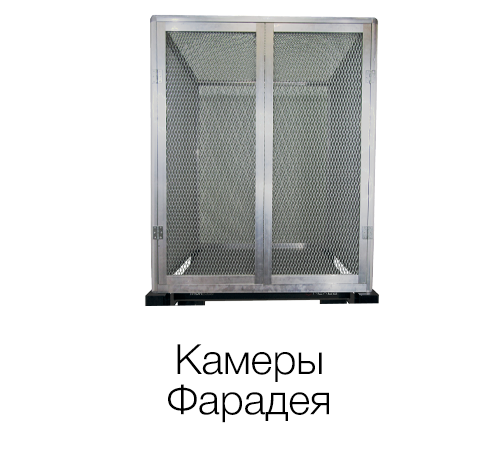
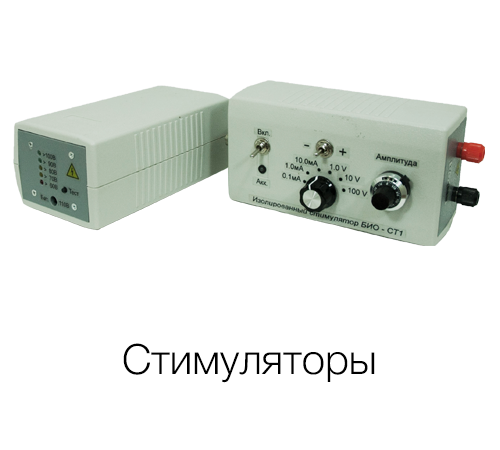
Товары собственного производства
 конкурентные цены
высокое качество
индивидуальный подход
However, this frictionless facade masks a brutal logistical reality. An "express zip code free" system is not magical; it is expensive. It relies on a hidden subsidy. The cost of rushing a package to a remote, low-density area is often far higher than the shipping fee collected. To offer the service for "free," companies must overcharge for the product, use gig-economy labor with precarious wages, or, most commonly, cross-subsidize using profits from dense, high-volume urban centers. In this sense, the phrase is a slight of hand. Your zip code is never truly free; its costs are simply socialized and redistributed.
Ultimately, "express zip code free" is a beautiful, dangerous myth. It is a vision of a world where space has been conquered, where geography is irrelevant, and where speed is a right. But zip codes are not merely bureaucratic annoyances; they are markers of topography, population density, and resource allocation. A truly wise society would not strive to make the zip code irrelevant through sheer mechanical force. Instead, it would recognize that some places should not be served by an express jet but should be sustained by local economies. The goal should not be to erase the zip code from the shipping label, but to ensure that every zip code—express or not—has the local resilience it needs to thrive without relying on a system that promises everything, everywhere, all at once. In that balance, not in the speed of the delivery, lies true freedom. express zip code free
The "zip code," invented in the United States in 1963, was never just a routing instruction. It is a geographic destiny. In the real world, your zip code often determines your access to fresh food, high-speed internet, quality education, and even emergency response times. To be "zip code free" in the context of express delivery is to be temporarily liberated from this geographic determinism. It implies that a remote rural farm, a dense urban apartment, and a suburban cul-de-sac are all equal nodes on a frictionless network. For the consumer, it is a utopian promise: you are not where you live; you are simply a customer. However, this frictionless facade masks a brutal logistical
Furthermore, the environmental toll of this ideology is impossible to ignore. True "express" service often bypasses efficient, consolidated ground networks in favor of air freight and a proliferation of last-mile delivery vans. A world where every zip code demands two-hour shipping is a world choked by carbon emissions, noise pollution, and packaging waste. The freedom from geographic constraint for the individual becomes a collective imprisonment in a degraded environment. The cost of rushing a package to a